
At a Glance: The Rejection Stats
| Metric | Details |
| :--- | :--- |
| Founder | Jamie Siminoff |
| Original Name | DoorBot |
| Shark Tank Appearance | Season 5 (2013) |
| The Ask | $700,000 for 10% equity |
| The Result | All Sharks passed (except a bad loan offer) |
| The Comeback | Acquired by Amazon for $1 Billion+ (2018) |
The Hook: The Most Expensive Mistake in TV History
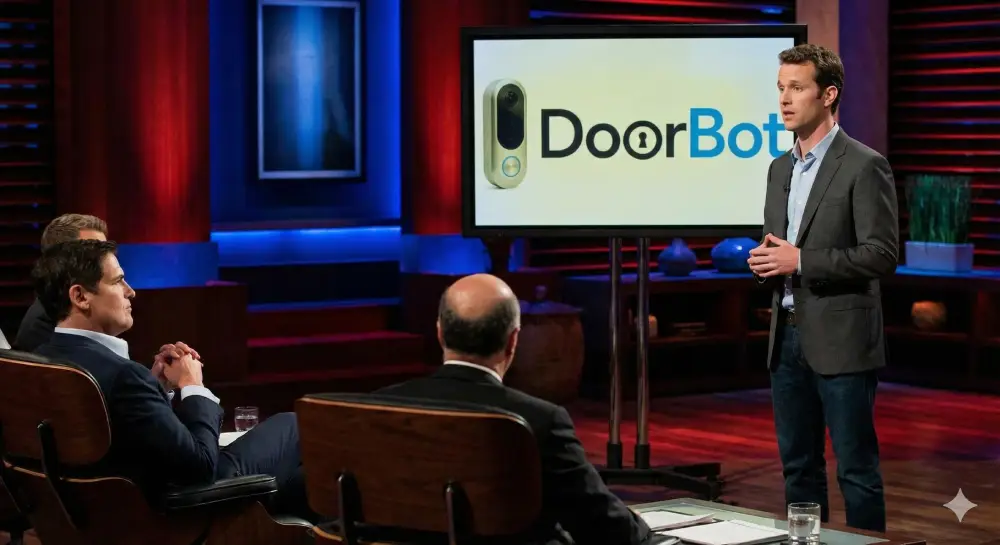
In 2013, a tired-looking entrepreneur walked onto the set of ABC's Shark Tank. He was asking for $700,000 to save his failing business.
He left with nothing.
Mark Cuban called it "not a business." Lori Greiner said it "could be hacked."
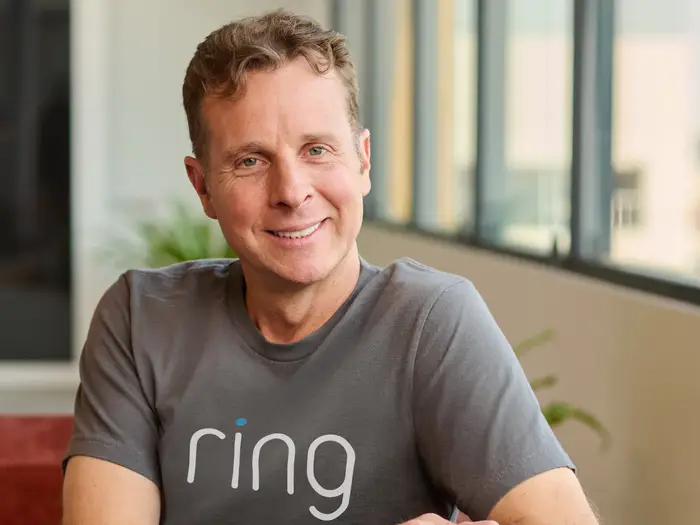
That company was Ring. Five years later, Amazon bought it for one billion dollars. This is the story of how Jamie Siminoff turned a public humiliation into one of the greatest comebacks in startup history.
The Origin: The Garage Problem
Jamie wasn't trying to disrupt the home security industry. He was just annoyed.
He was working in his garage on other inventions, but he couldn't hear the doorbell when delivery drivers arrived. He missed packages constantly. He looked for a doorbell that would ring to his phone via Wi-Fi.
It didn't exist. So, he grabbed a soldering iron and built it himself. He called it DoorBot.
His wife, Erin, said it was the best thing he'd ever made. Unlike his other gadgets, this one actually solved a daily problem.
The Struggle: Running on Fumes
By 2013, Jamie was broke. He had a small team working in his garage, but he couldn't make payroll.
He applied for Shark Tank as a "Hail Mary." He spent his last $10,000 building the set props for the show. If he didn't get a deal, the company was likely dead.
The "Shark Tank" Moment
When the episode aired, it was brutal.
- Mark Cuban passed instantly.
- Kevin O’Leary made a predatory offer (a loan that would take 10% of all sales until paid off).
- Jamie said no.
He walked out of the tank with his head down. He later admitted he went to his car and cried. He had failed on national television.
The Pivot: The "Richard Branson" Effect
But something unexpected happened. The Sharks hated it, but America loved it.
After the episode aired, sales exploded. The exposure gave him enough cash flow to survive another year. But the real turning point came from a random email.
A customer in Hawaii loved the product so much that he emailed Jamie. That customer turned out to be billionaire Richard Branson.
Branson didn't care what Mark Cuban thought. He invested immediately. With real capital, Jamie rebranded "DoorBot" to Ring, improved the camera quality, and focused on "neighborhood security" rather than just a doorbell.
The Exit: The Billion Dollar Check
By 2018, Ring was everywhere. The Sharks watched from the sidelines as Amazon swooped in and acquired the company for $1.2 Billion.
It remains one of the largest acquisitions in Amazon's history. Jamie Siminoff didn't just get rich; he got redemption. In 2018, he was invited back to Shark Tank—not as a contestant, but as a Guest Shark.
3 Lessons for Founders
1. "Experts" Are Often Wrong
The Sharks are smart investors, but they are not fortune tellers. They missed Ring because they couldn't see past the prototype. Just because an investor says "No" doesn't mean your idea is bad. It just means they don't get it.
2. A "No" Can Be Better Than a Bad "Yes"
If Jamie had accepted Kevin O'Leary's loan offer, the debt payments would have likely strangled the company before it could scale. Walking away was the hardest decision, but the right one.
3. Solve Your Own Problem
Jamie didn't build Ring to get rich. He built it because he couldn't hear his own doorbell. The best businesses start with a personal frustration.
FAQ: Ring & Shark Tank
Q: Did Jamie Siminoff regret rejecting Kevin O'Leary?
A: Absolutely not. Jamie has stated that rejecting that deal was the best decision of his life. It allowed him to keep control of the company and eventually sell it for 1000x what he asked for.
Q: Does Jamie still work at Ring?
A: Jamie stayed on as CEO for years after the Amazon acquisition. In 2023, he finally stepped down to return to his roots: inventing new products in his garage.
Q: How much did the Sharks lose by saying no?
A: If a Shark had invested the $700,000 for 10% in 2013, that stake would have been worth approximately $100 Million when Amazon bought the company. It is widely considered the biggest "miss" in the show's history.
Share this article