

At a Glance: The Business Model
| Metric | Details |
| Founder | Brian Winch |
| Business | Clean Lot (Commercial Litter Cleanup) |
| Annual Revenue | ~$650,000+ |
| Initial Investment | $200 (in 1981) |
| Primary Tool | Broom & Scoop (No Trucks) |
| Industry | Commercial Property Maintenance |
The Hook: A Fortune in the Parking Lot
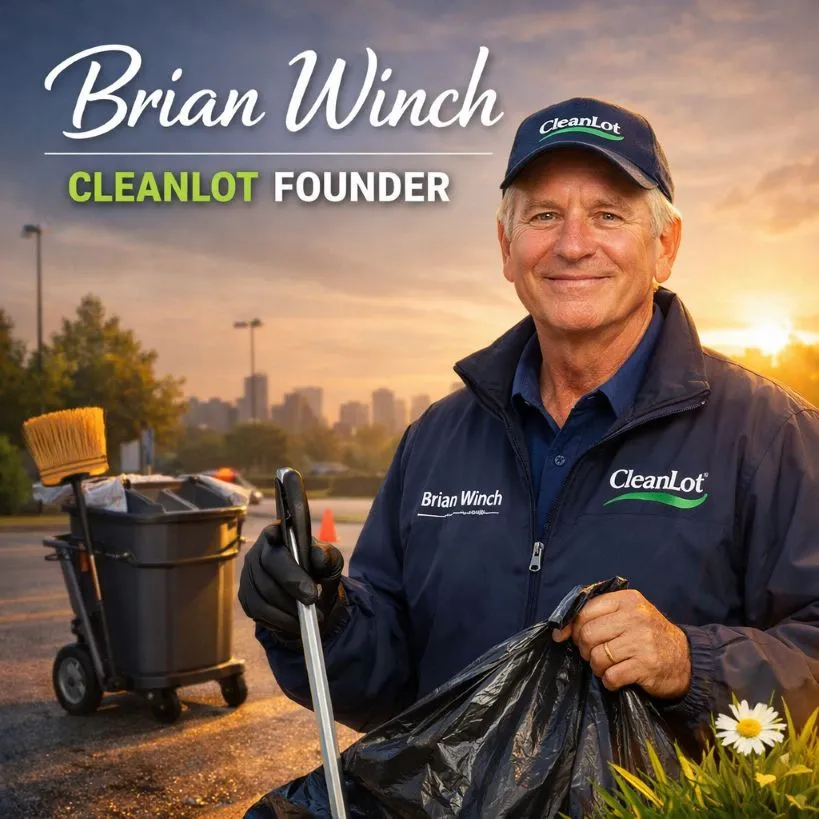
In an era where every entrepreneur is chasing the next AI breakthrough or crypto pump, Brian Winch built a fortune doing the one thing nobody else wanted to do: picking up trash.
Brian is the founder of Clean Lot, a commercial litter cleanup service based in Calgary. He doesn't rely on venture capital, complex code, or expensive street sweeper trucks. Instead, he uses a simple manual system to generate over half a million dollars a year.
If you are looking for a low-cost, recession-proof business idea in 2026, this is the case study you need to read.
The Backstory: Escaping the 9-to-5
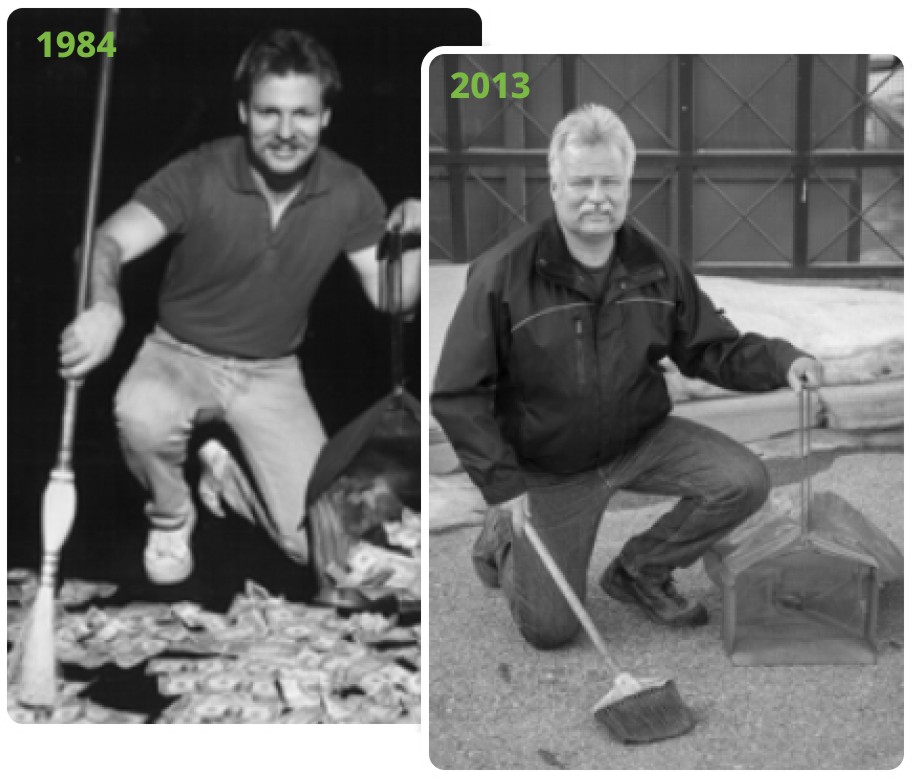
The year was 1981. Brian was working at a sporting goods store, feeling uninspired and capped at a low salary. He remembered his father used to make extra money on the side by cleaning up litter outside of shopping plazas before he went to his main job.
Brian realized that the problem hadn't disappeared. Property managers still needed clean parking lots before customers arrived in the morning.
He decided to test the market with a "low risk" approach. He didn't quit his job immediately; he just started waking up earlier.
The "Green Pill" Strategy
Brian calls his service the "Green Pill"—an almost invisible, headache-free service for property managers.
The Problem
Commercial property managers are busy. If a parking lot is filled with coffee cups, cigarette butts, and fast-food wrappers, tenants complain, and property values drop.
The Solution
Brian offered a simple contract: "I will sweep your parking lot every night. It will be spotless when you open. Flat monthly fee."
The Math (Why it Pays)
The genius of this model is the "Time vs. Earnings" ratio.
- Average Contract: $600 per month for a small strip mall.
- Frequency: Daily service (30 days/month).
- Time Required: 10–15 minutes per visit (on foot).
If you do the math: $600 divided by 7.5 hours of work (15 mins x 30 days) equals $80 per hour.
How He Launched for Under $200
Brian didn't have a website, SEO, or Facebook Ads. He used sheer hustle.
- The Gear ($200): He bought a high-quality broom, a specialized scoop (like a giant dustpan), and heavy-duty trash bags. He operated out of his personal car.
- The Sales Pitch: He went to the library and used the Yellow Pages to find Property Management Companies. He didn't call the stores (like Starbucks or Subway); he called the companies that managed the land.
- The First Win: He landed a contract quickly because he was cheaper than the massive street-sweeper trucks and did a better job. Trucks can't clean sidewalks, grass corners, or loading docks—Brian could.
Within two months, his "morning side hustle" was generating more income than his full-time job. He handed in his resignation and went full-time.
Scaling Up: From Solo Operator to Agency
For the first few years, Brian did the sweeping himself. But there is a physical limit to how many lots one person can sweep before sunrise. To scale to $650,000/year, he had to stop being the sweeper and start being the manager.
The Recruitment Model
Brian hires reliable workers who want supplemental income.
- Target Hires: Retirees, students, or people wanting extra cash without customer interaction.
- Pay Structure: He pays a flat rate per building, not per hour. This incentivizes the worker to be efficient.
- Low Overhead: Workers often use their own vehicles and tools, keeping Clean Lot's capital expenses incredibly low.
Why This Business Works in 2026
You might be thinking, "This started in 1981. Does it work today?" The answer is yes, perhaps even better.
- Recession Proof: During economic downturns, businesses still need to look presentable to attract customers. Trash never stops falling.
- The "Unsexy" Advantage: Most young entrepreneurs ignore "dirty jobs." This means competition is surprisingly low compared to dropshipping or digital marketing agencies.
- Recurring Revenue: Unlike selling a product once, a cleaning contract pays you every month for years.
3 Lessons for New Founders
1. Don't Overcomplicate the Tech
Brian runs a six-figure business without an app. He focuses on service reliability. If you say the lot will be clean, make sure it is clean. Trust is your best marketing channel.
2. Validate Before You Scale
Brian didn't buy a fleet of trucks on Day 1. He bought a broom. He proved the concept with his own sweat equity before hiring others.
3. Target B2B (Business to Business)
Selling to businesses (Property Managers) is often easier than selling to consumers. Businesses have budgets, they sign annual contracts, and they pay reliably.
Disclaimer: The financial figures cited in this story are based on Brian Winch’s public case studies and interviews. Your results may vary based on location and effort.
Frequently Asked Questions
Do I need a street sweeper truck?
How do I price this service?
Who do I call to get clients?
Is this seasonal?
Share this article